Aug 10, 2026

CRADLE CAP IN BABIES: CAUSES, SIGNS & GENTLE REMEDIES
If you've noticed yellowish, flaky patches on your baby's scalp, you're likely looking at cradle cap. While it may look concerning, cradle cap is extremely common, completely harmless, and very manageable with the right gentle care.
What Is Cradle Cap?
Cradle cap, medically known as infantile seborrheic dermatitis, is a common skin condition that affects many newborns and young babies. It appears as greasy, yellowish or brownish scaly patches on the scalp, and sometimes on the eyebrows, ears, or nose. It is not contagious, not caused by poor hygiene, and is not painful or itchy for your baby.
What Causes It?
The exact cause isn't fully understood, but it is believed to be linked to overactive sebaceous (oil) glands in the skin, possibly stimulated by maternal hormones passed to the baby before birth. These glands produce excess oil that causes old skin cells to stick to the scalp rather than shedding naturally.
Gentle Home Remedies
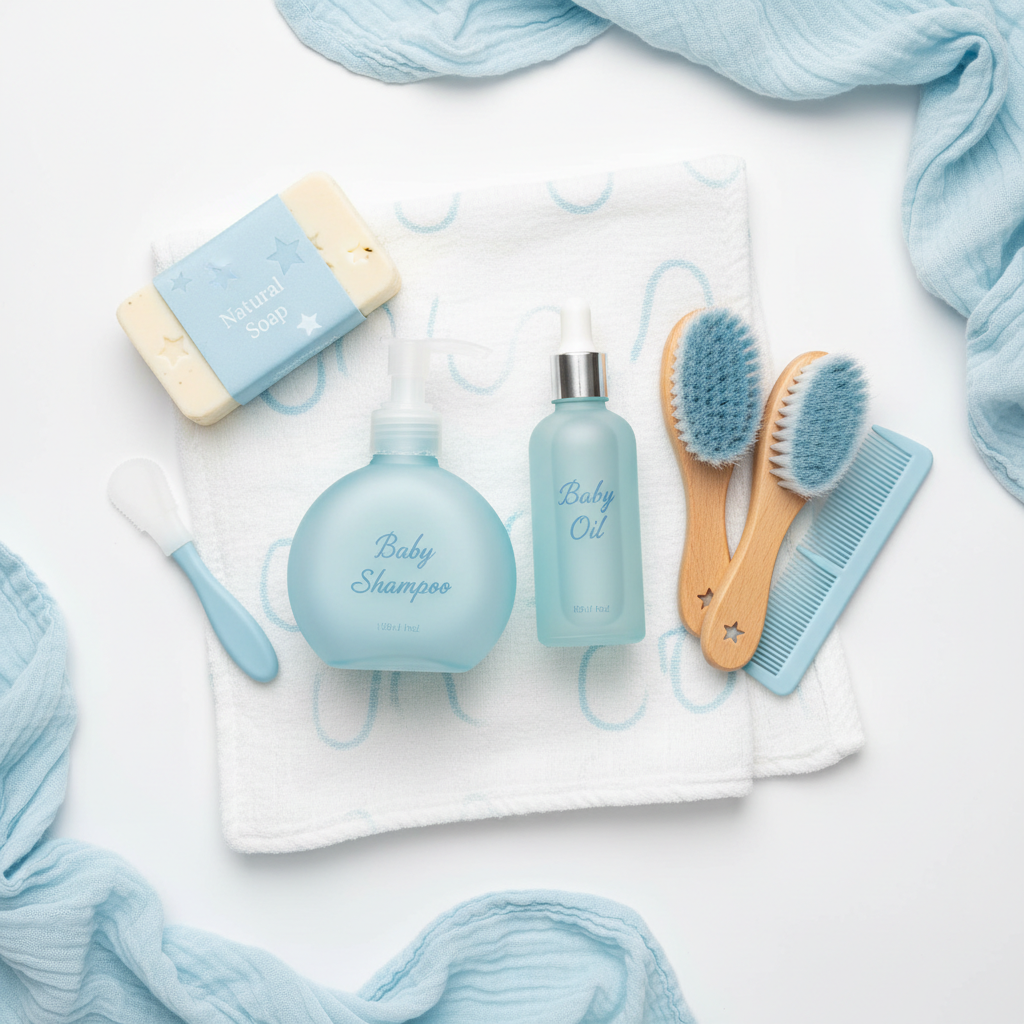
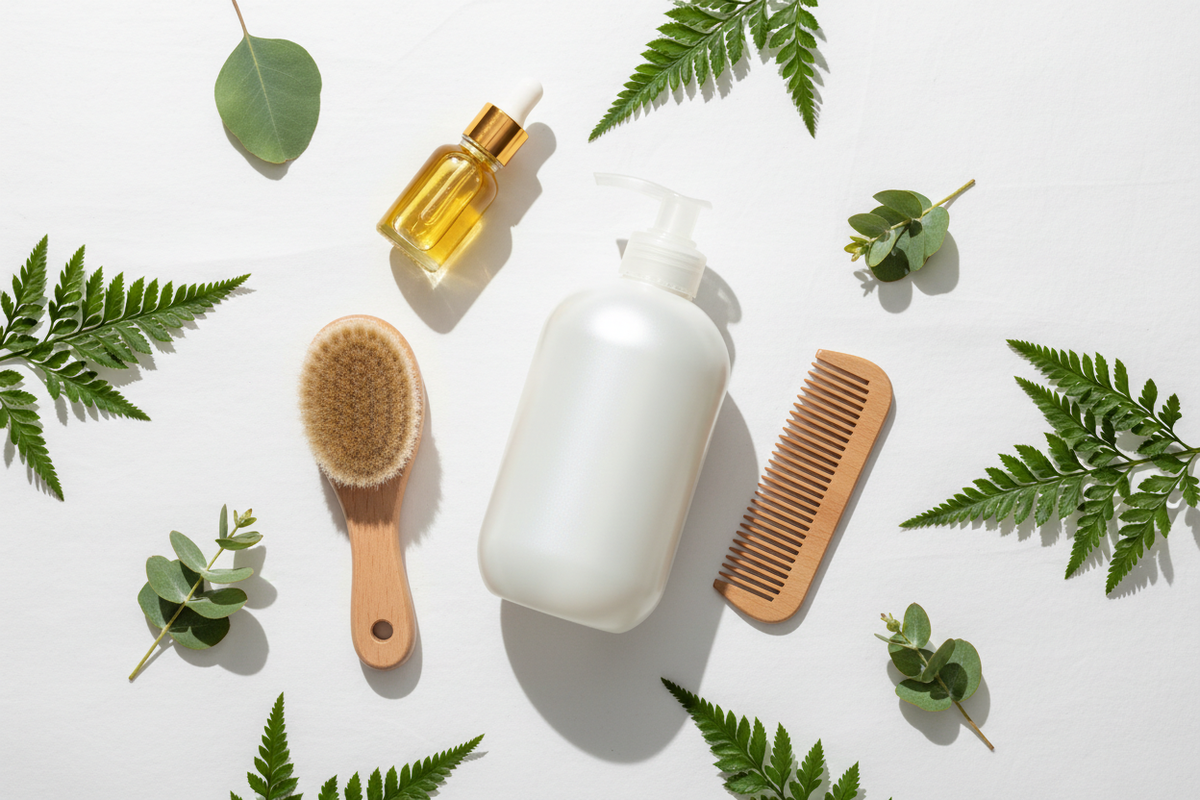
For mild cradle cap, a simple home routine is usually all that's needed. Gently massage a small amount of natural baby oil onto the scalp and leave it for a few minutes to soften the scales. Then use a soft baby brush or fine-toothed comb to gently loosen the flakes. Follow with a gentle baby shampoo to wash away the oil and loosened scales. Never pick or scratch the scales as this can cause irritation or infection.
How Often Should You Wash?
Washing your baby's hair daily with a mild, gentle baby shampoo can help manage cradle cap and prevent build-up. Be sure to rinse thoroughly and avoid leaving any shampoo residue on the scalp, which can worsen flaking.
When to See a Doctor
Most cases of cradle cap resolve on their own within a few weeks to months. However, if the condition spreads beyond the scalp, becomes red and inflamed, or doesn't improve with gentle home care, consult your pediatrician for further guidance.
Actualités et blogs
Cradle Cap in Babies: Causes, Signs & Gentle Remedies
If you've noticed yellowish, flaky patches on your baby's scalp, you're likely looking at cradle cap. While it may look concerning, cradle cap is extremely common, completely harmless, and very manageable with the right gentle care.
What Is Cradle Cap?
Cradle cap, medically known as infantile seborrheic dermatitis, is a common skin condition that affects many newborns and young babies. It appears as greasy, yellowish or brownish scaly patches on the scalp, and sometimes on the eyebrows, ears, or nose. It is not contagious, not caused by poor hygiene, and is not painful or itchy for your baby.
What Causes It?
The exact cause isn't fully understood, but it is believed to be linked to overactive sebaceous (oil) glands in the skin, possibly stimulated by maternal hormones passed to the baby before birth. These glands produce excess oil that causes old skin cells to stick to the scalp rather than shedding naturally.
Gentle Home Remedies
For mild cradle cap, a simple home routine is usually all that's needed. Gently massage a small amount of natural baby oil onto the scalp and leave it for a few minutes to soften the scales. Then use a soft baby brush or fine-toothed comb to gently loosen the flakes. Follow with a gentle baby shampoo to wash away the oil and loosened scales. Never pick or scratch the scales as this can cause irritation or infection.
How Often Should You Wash?
Washing your baby's hair daily with a mild, gentle baby shampoo can help manage cradle cap and prevent build-up. Be sure to rinse thoroughly and avoid leaving any shampoo residue on the scalp, which can worsen flaking.
When to See a Doctor
Most cases of cradle cap resolve on their own within a few weeks to months. However, if the condition spreads beyond the scalp, becomes red and inflamed, or doesn't improve with gentle home care, consult your pediatrician for further guidance.
Baby Diaper Rash: Prevention, Care & Gentle Treatment Tips
Diaper rash is one of the most common skin concerns for babies, and almost every parent will deal with it at some point. The good news is that with the right prevention and gentle care, it can be managed quickly and effectively.
What Causes Diaper Rash?
Diaper rash typically appears as red, irritated skin in the diaper area. It is most commonly caused by prolonged exposure to wet or soiled diapers, friction from the diaper itself, or sensitivity to certain products like wipes, diapers, or detergents. Introducing new foods and antibiotic use can also trigger flare-ups in some babies.
Prevention Is the Best Cure
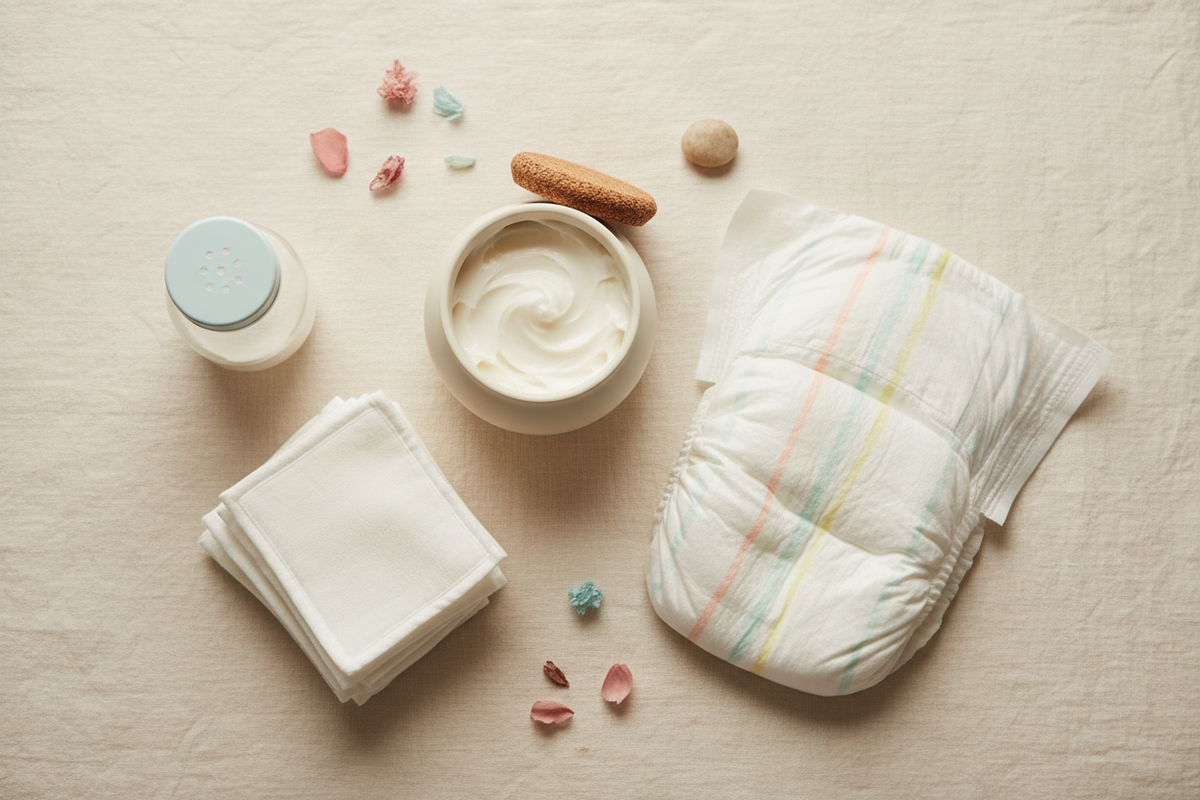
The most effective way to prevent diaper rash is to keep the diaper area clean and dry. Change diapers frequently — ideally as soon as they are soiled. During each change, gently cleanse the area with a soft, fragrance-free baby wipe or warm water and pat dry thoroughly before putting on a fresh diaper.
Use a Protective Barrier Cream
Applying a thin layer of zinc oxide or petroleum-based barrier cream at each diaper change creates a protective shield between your baby's skin and moisture. This is especially helpful during periods when your baby is prone to rashes, such as when teething or starting solids.
Give the Skin Time to Breathe
Whenever possible, allow your baby some diaper-free time each day. Laying them on a soft, waterproof mat and letting the skin air out for 10–15 minutes helps reduce moisture build-up and speeds up healing if a rash is already present.
Choosing the Right Products
Use gentle, fragrance-free wipes and avoid products with alcohol or harsh preservatives in the diaper area. If your baby has sensitive skin, switch to hypoallergenic diapers and wash cloth diapers with a gentle, unscented detergent. When in doubt, consult your pediatrician for product recommendations suited to your baby's skin type.
Baby Sleep & Bedtime Routine: Tips for a Peaceful Night
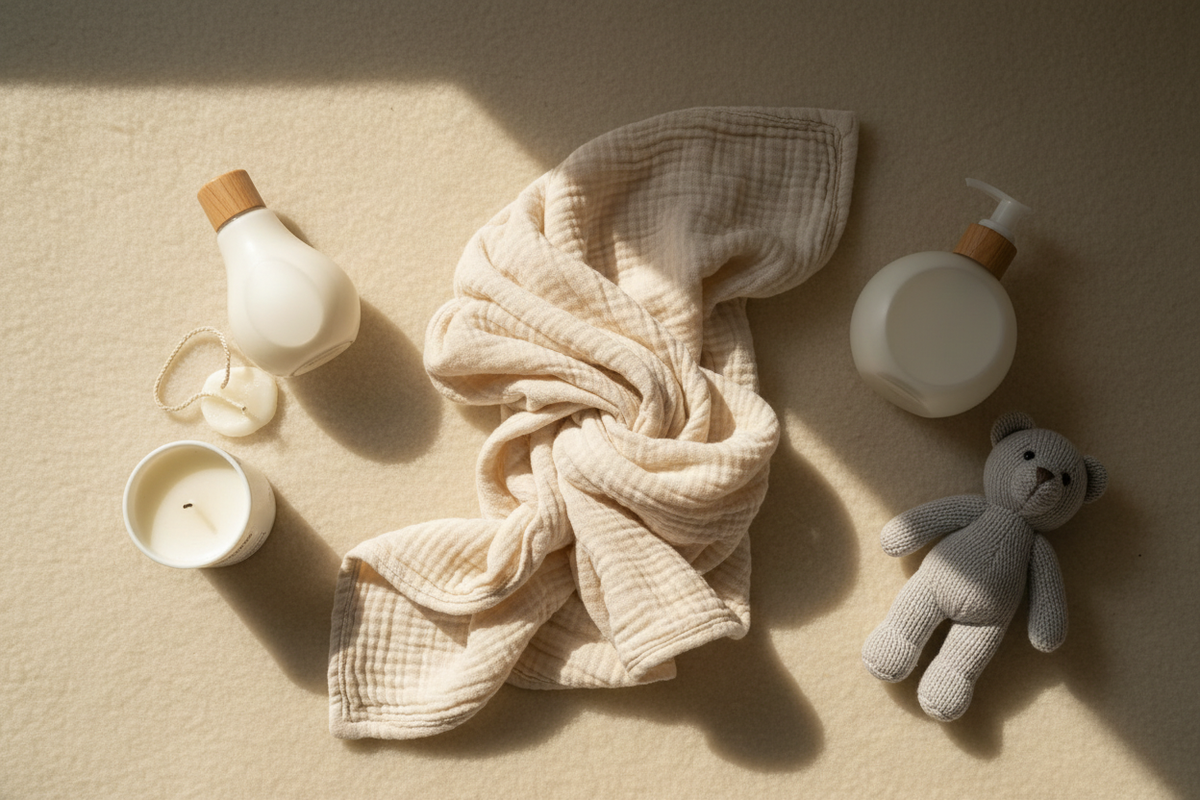
A calm, consistent bedtime routine is one of the greatest gifts you can give your baby. It signals to their little body and mind that it's time to wind down, rest, and recharge — setting the foundation for healthy sleep habits that last a lifetime.
Why a Bedtime Routine Matters
Babies thrive on predictability. A consistent routine helps regulate their internal clock, making it easier for them to fall asleep and stay asleep. Research shows that babies with established bedtime routines sleep longer, wake less frequently, and are generally more settled during the night.
The Ideal Bedtime Window
Most babies do best when put to bed between 6:30 and 8:00 PM. Overtired babies often have a harder time settling, so watch for sleepy cues like eye rubbing, yawning, or fussiness and begin the routine before they become overtired.
Start with a Warm Bath
A warm bath is the perfect way to begin the bedtime routine. The drop in body temperature after a warm bath naturally signals the body to prepare for sleep. Use a gentle, calming baby wash with soothing properties to make bath time a relaxing, sensory experience.
Follow with a Soothing Massage
After the bath, a gentle baby massage with a nourishing lotion helps relax muscles and calm the nervous system. Use slow, gentle strokes and speak softly to your baby. This skin-to-skin connection deepens your bond and eases them into a sleepy state.
Keep the Environment Calm
Dim the lights, reduce noise, and keep the room at a comfortable temperature. A consistent sleep environment — same room, same sounds, same smells — reinforces the sleep association and helps your baby settle more quickly each night.
Baby Lotion & Moisturizing Tips for Soft, Healthy Skin
Keeping your baby's skin soft, smooth, and well-hydrated is one of the simplest yet most important parts of their daily care routine. The right moisturizer, applied the right way, can make a world of difference for your little one's skin health.
Why Moisturizing Matters for Babies
Baby skin loses moisture much faster than adult skin due to its thinner structure and developing barrier function. Without regular moisturizing, skin can become dry, flaky, and prone to irritation. A consistent moisturizing routine helps strengthen the skin barrier and keeps your baby comfortable throughout the day.
When to Apply Baby Lotion
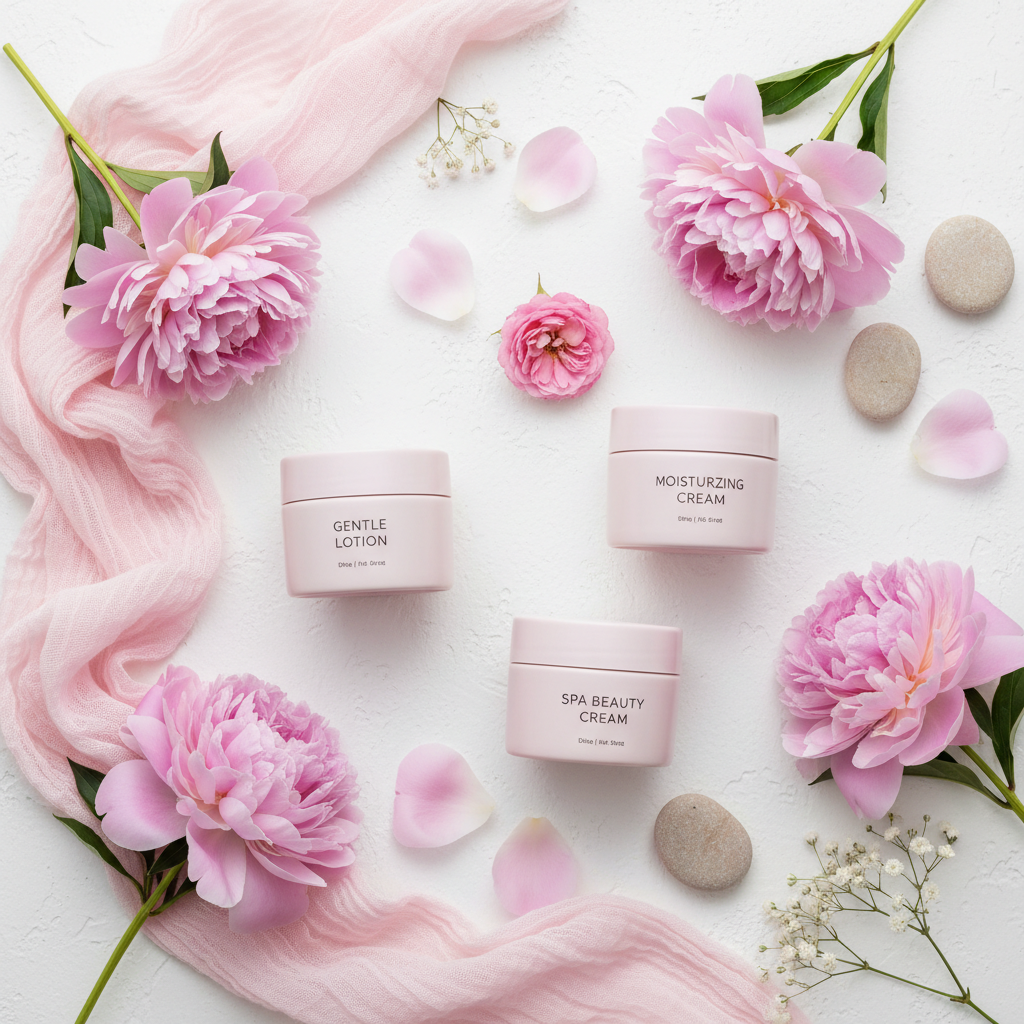
The best time to apply baby lotion is right after bath time, when the skin is still slightly damp. This helps seal in moisture before it evaporates. You can also apply lotion in the morning as part of your baby's wake-up routine, or any time you notice dry patches forming.
Choosing the Right Baby Lotion
Look for a lotion that is fragrance-free, hypoallergenic, and specifically formulated for baby skin. Avoid products with alcohol, mineral oil, or artificial preservatives. A lightweight, fast-absorbing formula is ideal — it moisturizes effectively without leaving a greasy residue on your baby's skin.
How to Apply Baby Lotion
Warm a small amount of lotion between your palms before applying. Use gentle, circular strokes on the tummy, arms, and legs. Pay extra attention to dry-prone areas like the elbows, knees, and cheeks. This is also a wonderful opportunity for a mini massage that soothes and bonds.
Signs Your Baby Needs More Moisture
Watch for signs like flaking, rough patches, redness, or your baby scratching at their skin. These are signals that their skin needs more hydration. In dry or cold weather, you may need to moisturize twice a day to keep their skin balanced and healthy.
How to Choose Safe Baby Products: A Parent's Complete Guide
With so many baby products on the market, choosing the right ones for your little one can feel overwhelming. The good news is that knowing what to look for makes the process much simpler — and safer — for your baby.
Read the Ingredient List
Always check the ingredient list before purchasing any baby product. Avoid formulas containing alcohol, artificial fragrances, parabens, sulfates, and synthetic dyes. These can disrupt the skin's natural barrier and cause irritation on your baby's sensitive skin. Look for short, clean ingredient lists with naturally derived ingredients.
Look for Dermatologist-Tested Products
Products that are dermatologist and pediatrician tested have been evaluated for safety on sensitive skin. This gives you an added layer of confidence that the formula is gentle enough for your baby's delicate skin. Ophthalmologist-tested labels are especially important for shampoos and face washes.
Choose Tear-Free Formulas
For anything used near the face — shampoos, face washes, or bubble baths — always opt for tear-free formulas. These are specially designed to be gentle on the eyes, making bath time a stress-free experience for both you and your baby.
Check for Hypoallergenic Claims
Hypoallergenic products are formulated to minimize the risk of allergic reactions. While no product can guarantee zero reactions, hypoallergenic formulas are a safer choice for babies with sensitive or eczema-prone skin. Always do a patch test on a small area of skin before full use.
Trust Reputable Brands
Choose brands that are transparent about their ingredients and manufacturing processes. Reputable baby care brands invest in safety testing and use high-quality, gentle ingredients. When in doubt, consult your pediatrician for product recommendations tailored to your baby's specific skin needs.
The Perfect Baby Bath Time Routine for Happy, Healthy Skin
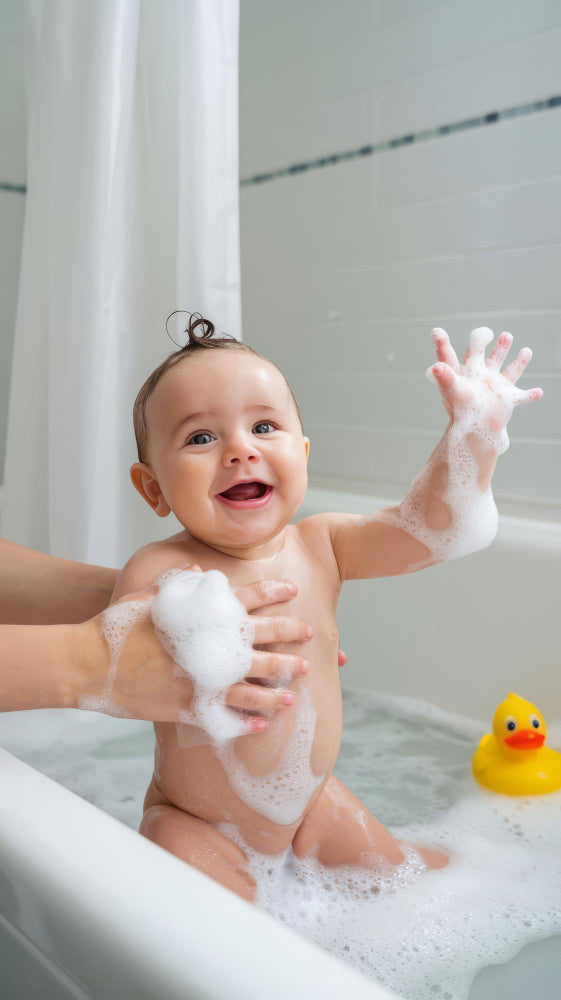
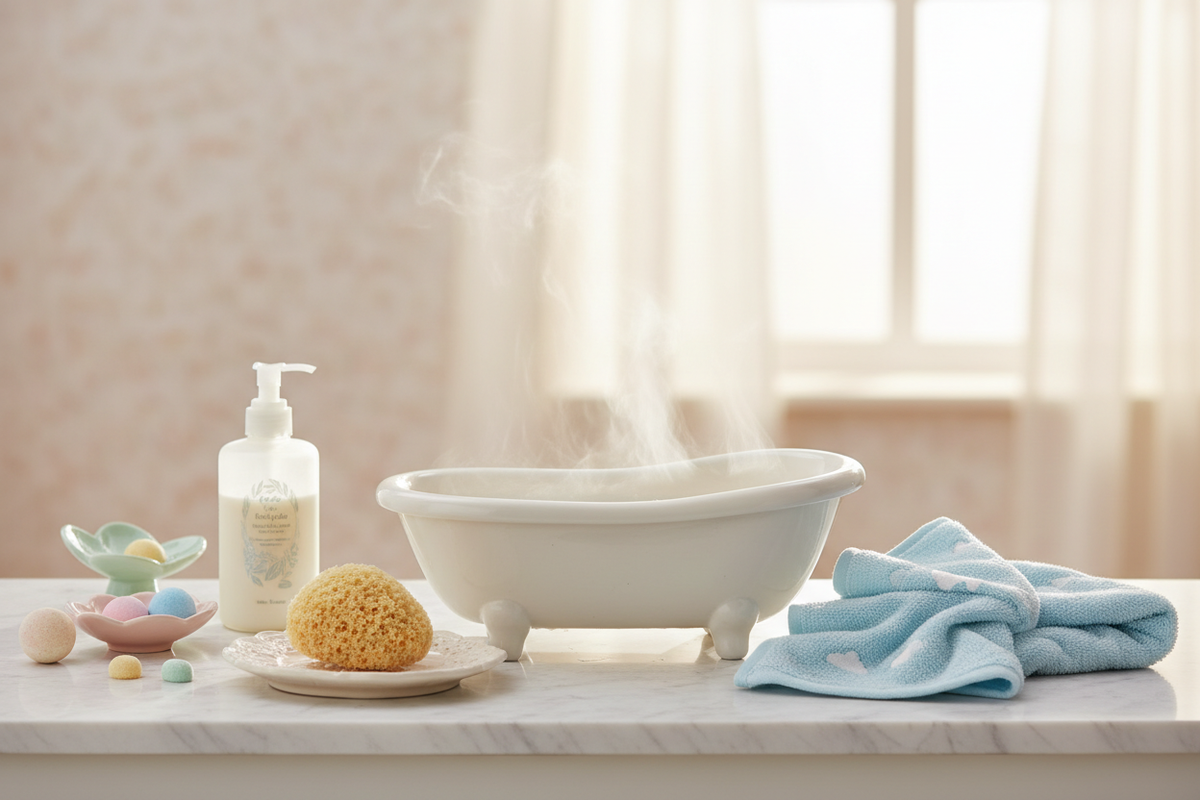
Bath time is one of the most cherished moments between a parent and baby. With the right routine and gentle products, it can be a calming, joyful experience that your little one looks forward to every day.
How Often Should You Bathe Your Baby?
For newborns, 2–3 baths per week is plenty. Their skin is delicate and over-bathing can strip away natural oils, leading to dryness and irritation. As your baby grows into a toddler, daily baths become more practical and enjoyable.
Setting the Right Environment
Always ensure the room is warm before undressing your baby. Fill the tub with just a few inches of comfortably warm water — test it with your elbow or wrist, never your hand. Keep everything you need within arm's reach so you never have to leave your baby unattended.
Choosing the Right Products
Use a gentle, tear-free baby wash and shampoo that is free from harsh sulfates, artificial fragrances, and parabens. A mild formula that respects the skin's natural pH will cleanse effectively without causing redness or dryness. Look for products that are dermatologist and ophthalmologist tested.
The Bathing Technique
Start from the face and work your way down. Use a soft washcloth to gently cleanse the face, neck folds, and body. For the hair, apply a small amount of baby shampoo and massage gently with your fingertips in circular motions. Rinse thoroughly, keeping water away from the eyes and ears.
After the Bath
Wrap your baby in a soft, warm towel and pat — never rub — the skin dry. While the skin is still slightly damp, apply a gentle baby moisturizer to lock in hydration. Follow up with a soothing baby massage to help your little one wind down and prepare for sleep.
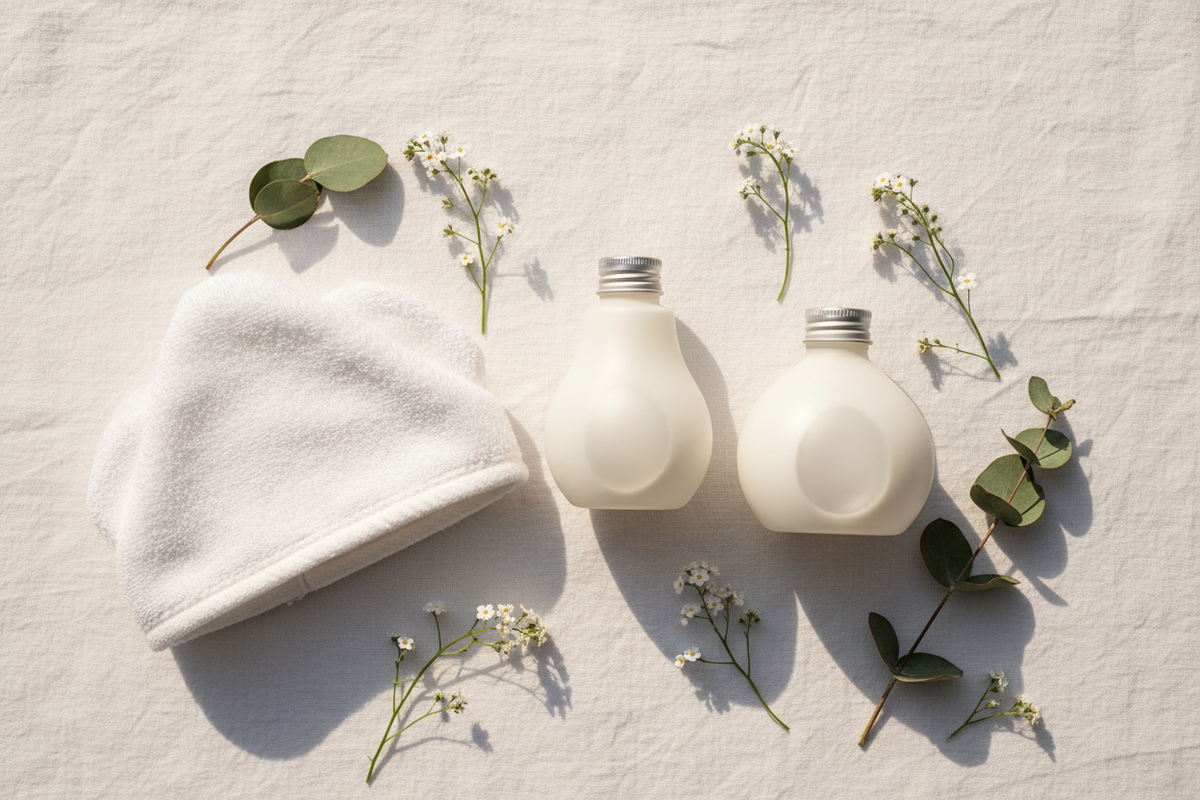
Newborn Skin Care Essentials Every Parent Should Know
Welcoming a newborn into the world is one of life's most magical moments — and caring for their delicate skin is one of your first acts of love. Newborn skin is incredibly sensitive, and knowing the essentials can make all the difference.
Understanding Newborn Skin
A newborn's skin is up to 5 times thinner than adult skin, making it highly susceptible to dryness, irritation, and environmental stressors. In the first few weeks, you may notice peeling or flaking — this is completely normal as your baby's skin adjusts to life outside the womb.
Keep It Simple with Cleansing
For the first few weeks, plain warm water is enough for most cleansing. When you're ready to introduce a cleanser, choose a mild, soap-free, fragrance-free baby wash that maintains the skin's natural pH. Avoid products with alcohol or artificial dyes that can strip and irritate delicate skin.
Moisturize Gently & Regularly
After bath time, gently pat your baby's skin dry and apply a light, fragrance-free baby moisturizer while the skin is still slightly damp. This helps lock in hydration and keeps the skin barrier strong. Pay extra attention to areas prone to dryness like the elbows, knees, and cheeks.
Protect from the Elements
Keep your newborn away from direct sunlight and harsh winds. Dress them in soft, breathable fabrics like cotton, and avoid overdressing which can cause heat rash. In dry weather, a humidifier in the nursery can help maintain healthy moisture levels in the air.
Watch for Skin Reactions
Always patch test new products on a small area before full use. If you notice redness, rashes, or unusual dryness, discontinue use and consult your pediatrician. When in doubt, less is more — a simple, gentle routine is always the safest choice for your newborn.
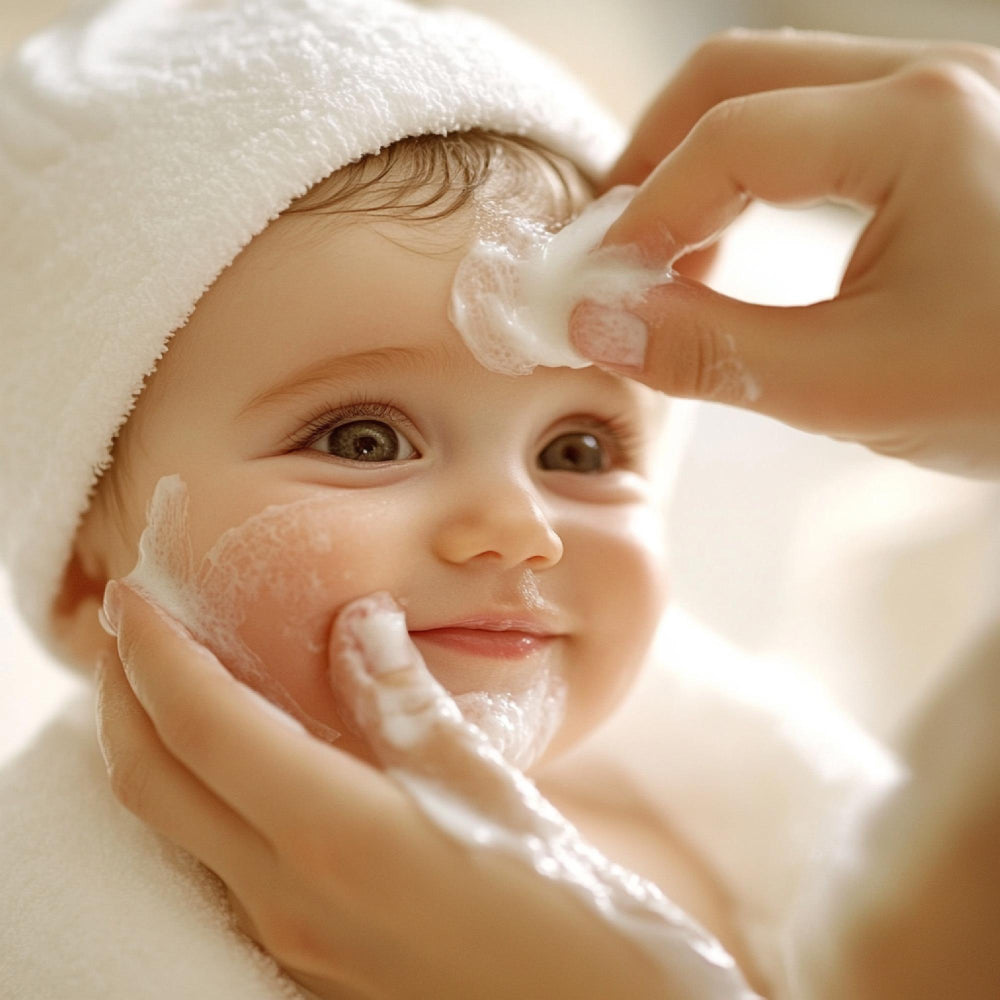
Soin délicat du visage de bébé : conseils pour garder la peau de votre tout-petit douce et propre
Apprenez à prendre soin de la peau délicate du visage de votre bébé grâce à des nettoyants doux, la bonne technique et une routine quotidienne simple qui maintient sa peau douce et saine.
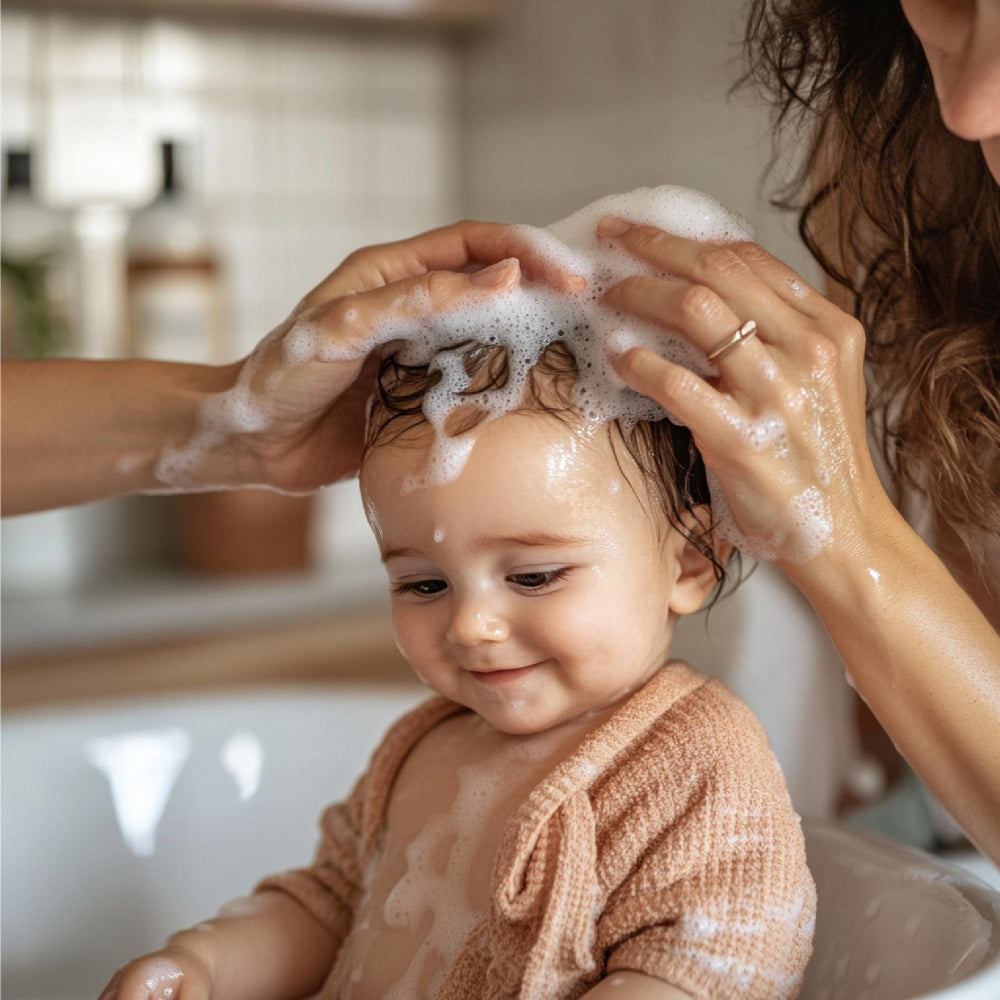
Comment bien laver les cheveux de votre bébé
Apprenez à laver les cheveux de votre bébé en douceur et efficacement avec les bons produits et les bonnes techniques pour un bain joyeux et sans stress.

Les bienfaits du massage bébé : Un guide pour les nouveaux parents
Découvrez les merveilleux bienfaits du massage pour bébé et comment les bons produits peuvent vous aider à prendre soin de la peau de votre nouveau-né et à renforcer votre lien.